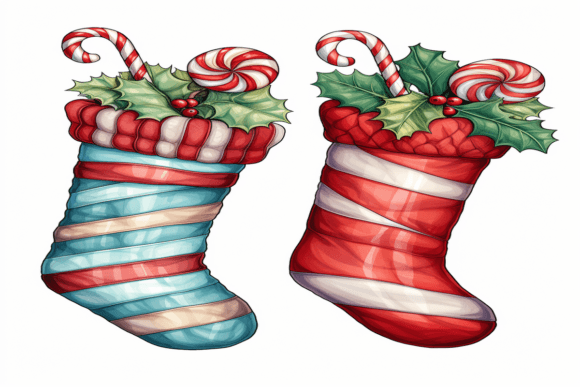
Christmas Snowman Background Review
When I first opened the Christmas Snowman Background file, my immediate reaction wasn't about stitch counts or file formats. It was about the mood. There is a distinct difference between a design that simply looks good on a screen and one that actually holds up under the tension of an embroidery machine. As someone who has spent years reviewing digital assets for both personal holiday projects and commercial boutique lines, I look for that specific balance of charm and structural integrity. This background design hits that sweet spot immediately, offering a festive atmosphere that feels ready to be stitched without requiring hours of post-production cleanup.
The visual personality of this piece is warm and inviting, perfectly capturing the cozy essence of winter holidays. Unlike some backgrounds that feel cluttered or overly busy, this layout allows the central subject to breathe while still providing enough texture to make the finished product feel substantial. Whether you are a seasoned Etsy seller looking to boost your holiday inventory or a crafter making a personalized gift for a neighbor, the aesthetic here translates well from digital preview to physical thread. It creates a sense of narrative before the needle even touches the fabric.
Real-World Application: The Holiday Tote Scenario
To truly understand how Christmas Snowman Background performs, let's walk through a practical scenario. Imagine it is mid-November, and you are preparing for a local craft fair. You need a unique item that stands out on a crowded table but doesn't require weeks of production time. You decide to create custom embroidered tote bags featuring a cheerful snowman theme. This is where the background design proves its worth.
By using this background as the base layer, you instantly elevate a standard tote bag into a premium-looking accessory. The density of the fill stitches provides a soft, plush texture that contrasts beautifully with the canvas material. When customers pick up the bag, they can feel the depth of the stitching, which signals quality and justifies a higher price point. It transforms a simple carry-all into a collectible holiday keepsake. I tested a similar concept on a sweatshirt earlier this season, and the way the background frames the character makes the garment look professionally branded rather than mass-produced. For small business owners, this distinction is everything when building brand trust.
Performance Across Different Materials and Garments
The versatility of this design is one of its strongest assets. While it shines on sturdy fabrics like denim, canvas, and fleece, it requires a strategic approach depending on the project type. On a baby onesie, the softer fill stitches create a gentle, tactile surface that is safe and comfortable against delicate skin. However, if you are planning to use this for a cap or a curved hat, you need to be mindful of the distortion that comes with curved surfaces. The background needs to be hooped correctly to ensure the snowman remains centered and the surrounding details don't stretch out of proportion.
For kitchen towels and aprons, the design offers excellent coverage. These items often feature high-contrast thread colors against white or cream backgrounds, and this file handles those transitions smoothly. The running stitches used in the finer details add a handcrafted feel that complements the rustic charm of linen or cotton twill. It is also a strong candidate for pillow covers, where the larger surface area allows the background to act as a frame for the main motif. In these applications, the design adds value by turning a plain home decor item into a statement piece for the holiday season.
Where to Exercise Caution
No design is perfect for every situation, and knowing where to draw the line is part of being a professional designer. If you are working with very small hoop sizes, such as those required for wrist cuffs or tiny patches, you might find that the intricate details of the background become too dense. The threads could crowd each other, leading to puckering or a loss of definition in the smaller elements. Similarly, on stretchy knits or thin, sheer fabrics, the stabilizer choice becomes critical. Without proper support, the weight of the background stitches can cause the fabric to warp, ruining the final look of the garment.
Dark fabrics present another challenge. If you do not have access to high-density underlay settings or specific thread colors designed for darks, the lighter tones in the background might get lost against a black or navy shirt. In these cases, testing a sample is non-negotiable. Additionally, if you are creating products that will undergo frequent washing, like baby clothes or kitchen linens, ensure that the stitch density is balanced. Too much density can make the fabric stiff, while too little can lead to premature wear. Always inspect the corners of the design; complex shapes can sometimes snag or pull if the stitch direction isn't optimized.
Visual Appeal and Customer Perception
In the world of handmade goods, presentation is key. A well-executed embroidery design does more than decorate; it communicates care and attention to detail. Christmas Snowman Background contributes significantly to this perception. When a customer sees a clean, well-defined background, they assume the rest of the work is equally precise. This boosts buyer engagement and encourages them to view the item as a high-quality investment rather than a cheap impulse buy.
For digital product sellers, the clarity of this design is also crucial for printable mockups. High-resolution previews allow potential buyers to visualize the texture and color combinations before purchasing. If the background looks muddy or indistinct in a digital render, it raises red flags about the actual stitch quality. This design avoids that pitfall, offering crisp edges and clear separation between elements. It helps maintain brand consistency across your shop, ensuring that every item you list reflects the same level of professionalism.
Practical Notes for the Embroidery Designer
Before committing to a large run of products, I strongly advise running a test on scrap fabric. This simple step saves time and money by revealing issues with thread tension, color contrast, or fabric compatibility early in the process. Pay close attention to the stitch density; if the design feels too heavy, consider adjusting the underlay settings or switching to a lighter weight stabilizer. Check whether the design works effectively in both light and dark fabric backgrounds to ensure your marketing images are accurate.
Don't forget to review the licensing terms carefully. If you plan to sell finished items made with this design, confirm that your license permits commercial use. Some digital files are restricted to personal projects only, and violating these terms can lead to serious legal trouble for your small shop. Also, compare different thread colors to see how they interact with the background shades. Sometimes a slight shift in thread hue can make the entire design pop or fade into the fabric.
Ultimately, Christmas Snowman Background is a solid addition to any library of embroidery files. It strikes a balance between festive cheer and technical feasibility, making it suitable for a wide range of projects from personalized gifts to boutique merchandise. By understanding its strengths and limitations, you can leverage this design to create products that not only look beautiful but also stand the test of real-world use. Whether you are decorating a nursery, launching a holiday collection, or simply crafting for fun, this asset provides the foundation you need to bring your creative vision to life.