Christmas Rabbit Background: A Designer's Real-World Review
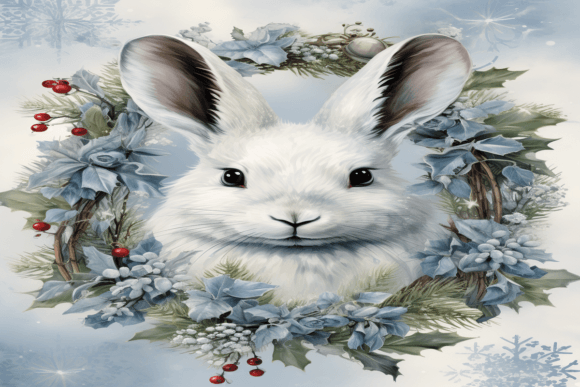
When I first opened the Christmas Rabbit Background file, my initial reaction wasn't about the stitch count or the file format. It was about the mood. In a sea of generic snowflakes and reindeer, this design felt different. It has a quiet charm that speaks directly to the cozy, nostalgic feeling of the holiday season. As someone who spends hours evaluating digital assets for client projects and my own handmade shop, I look for designs that don't just fill space but tell a story. This piece does exactly that.
The layout is clever. Rather than being a simple solid block of color, it feels like a textured backdrop that frames the subject perfectly. For an embroidery designer, the visual personality here is crucial because it dictates where the design can live on a garment or home decor item. It feels natural on a baby onesie, a festive apron, or even as the focal point of a custom tote bag. The shape suggests movement without being chaotic, making it a versatile choice for both commercial embroidery and personal gifts.
From Screen to Stitch: Real Project Scenarios
Let's talk about how this design performs when it actually leaves the screen and hits the hoop. I recently had a scenario where a client wanted a unique line of holiday merchandise for their boutique. They needed something that stood out from the mass-produced items found in big-box stores. We tested the Christmas Rabbit Background on a soft, cream-colored sweatshirt. The result was immediate: the design didn't feel heavy or stiff. It breathed with the fabric.
The way the background elements interact with the central figure creates depth. When stitching on a dark fabric, the contrast becomes even more striking, provided you choose thread colors carefully. I envision this design shining on a patch for a denim jacket or perhaps embroidered onto a pillow cover for a nursery. The versatility extends to kitchen towels, where the festive theme adds a touch of warmth to the cooking space. For an Etsy seller, this kind of design asset is gold because it allows for high perceived value in the finished product.
However, not every project is a perfect fit. If you are working on a small hoop size, you need to be mindful of the density. While the design is well-balanced, cramming it into a 4x4 hoop might lose some of the subtle details that give it character. Similarly, if you are working with highly textured fabrics like chunky wool or boucle, the definition of the background elements might get lost. In those cases, a smoother fabric or a stabilizer-heavy approach is necessary to ensure the embroidery file holds its integrity.
Navigating Fabric Challenges and Limitations
One of the most common pitfalls in machine embroidery is underestimating the behavior of stretchy fabrics. If you plan to use this design on a cap or a fitted t-shirt, the stability of the material is paramount. The Christmas Rabbit Background relies on clean lines and consistent coverage. On a stretchy knit without proper stabilization, the design could pucker or distort, ruining the professional look you are aiming for. Always test your stabilizer choice before committing to the final piece.
Dense stitch areas are another factor to consider. If the design includes significant fill stitches, you must ensure your machine can handle the density without breaking needles or causing thread bunching. This is particularly relevant for commercial embroidery where speed and reliability are key. For hobbyists, this means taking extra time to check the thread tension and potentially reducing the speed of the machine to achieve the best finish. Thin fabrics require a light touch; too much pressure or dense stitching can cause the fabric to tear or become rigid.
Curved surfaces, such as caps, present their own set of challenges. While the design looks great flat, translating it to a curved surface requires precise hooping techniques. The background elements might appear stretched if not aligned correctly with the curve of the hat. This is why testing on scrap fabric is non-negotiable. You need to see how the stitch density behaves on the specific substrate you intend to use.
Visual Appeal and Brand Consistency
In the world of handmade products, presentation is everything. A well-executed embroidery project builds trust with customers. When a buyer sees a personalized gift with crisp, clear stitching and a cohesive design, they perceive higher value. The Christmas Rabbit Background contributes significantly to this perception. Its clean aesthetic ensures that the focus remains on the rabbit, while the background adds a layer of sophistication that elevates the entire piece.
For small business owners, consistency is vital. Using a design like this across multiple products—say, matching tote bags, aprons, and patches—creates a strong brand identity. It signals to customers that you pay attention to detail. Whether you are creating a custom apparel line or selling digital mockups for printable previews, having a reliable design asset streamlines your workflow. The design's ability to adapt to various contexts makes it a valuable addition to any design assets library.
However, be cautious with lettering or tiny details if they are included in the full composition. Small text can be difficult to read on certain fabrics, especially after washing. If the design includes decorative accents, ensure they are large enough to hold up over time. Frequent washing can wear down delicate stitches, so choosing durable thread colors and appropriate stitch types is essential for longevity.
Practical Notes for the Savvy Designer
Before you start stitching, there are a few technical steps that will save you headaches later. First and foremost, always test the design on scrap fabric. This allows you to verify the hoop size requirements and check how the thread colors interact with your chosen material. Black and white mockups can also be incredibly useful for assessing contrast and ensuring the design reads clearly regardless of the fabric color.
Review the stitch density closely. High-density designs require robust stabilizers to prevent puckering. If you are using a water-soluble stabilizer, make sure you rinse the piece thoroughly to avoid residue. Also, confirm whether the design works for both personal and commercial projects. Licensing terms vary, and understanding these restrictions is crucial for anyone looking to sell finished items or digital products.
If the exact stitch count or file formats are not explicitly stated in the product details, do not guess. Contact the creator or check the documentation carefully. Different machines have different capabilities, and compatibility issues can lead to wasted time and materials. By taking these precautions, you ensure that your finished product meets the highest standards of quality.
Ultimately, the Christmas Rabbit Background is more than just a pattern; it is a tool for creativity. Whether you are crafting a heartfelt gift for a loved one or building a profitable craft business, this design offers a solid foundation for success. It balances festive cheer with professional execution, making it a standout choice for holiday embroidery projects. With careful planning and the right technique, it can transform simple fabrics into memorable keepsakes.